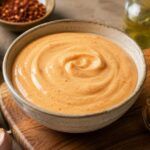
If you have ever wondered why some cupcakes look bakery-perfect while yours turn out a little flat, the secret is almost always the buttercream. Mary Berry’s buttercream icing for cupcakes is a foolproof classic that delivers a smooth, fluffy, and perfectly sweet frosting every single time. It takes just 10 minutes, uses only four basic ingredients, and pipes beautifully whether you are a complete beginner or a seasoned home baker.
This is the recipe you will reach for again and again, for birthday parties, school bakes, afternoon teas, and everything in between.
Ingredients
For the Buttercream Icing
- 250g (1 cup / 2 sticks) unsalted butter, softened to room temperature
- 500g (4 cups) icing sugar (confectioners’ sugar), sifted
- 2 tablespoons whole milk
- 1 teaspoon pure vanilla extract
This quantity generously frosts 12 to 16 standard cupcakes. For a smaller batch, simply halve the measurements.
How to Make Mary Berry Buttercream Icing for Cupcakes
- Prepare your butter. Make sure the butter is fully softened at room temperature before you start. It should be soft enough to press a finger into easily, but not melted or greasy. Sift the icing sugar into a separate bowl and set aside.
- Beat the butter. Place the softened butter into a large mixing bowl. Using an electric hand whisk or a stand mixer fitted with a paddle attachment, beat on medium-high speed for 2 to 3 minutes until the butter is pale, very creamy, and noticeably lighter in colour. This step is crucial for a fluffy result.
- Add the icing sugar gradually. Reduce the mixer to its lowest speed. Add half the sifted icing sugar and mix slowly until just combined. Adding it slowly prevents a sugar cloud from filling your kitchen. Add the remaining icing sugar and mix again until incorporated. Scrape down the sides of the bowl with a spatula.
- Add vanilla and milk. Pour in the vanilla extract and one tablespoon of milk. Beat on medium speed for 2 to 3 minutes. Check the consistency. If the buttercream feels too stiff for piping, add the second tablespoon of milk and beat for another minute.
- Beat until light and fluffy. Increase the speed to medium-high and beat for a final 3 to 4 minutes. The buttercream should look pale, glossy, and airy at this stage.
- Pipe or spread onto cooled cupcakes. Transfer the buttercream into a piping bag fitted with your chosen nozzle (a large star tip gives a beautiful swirl) and pipe onto completely cooled cupcakes. Alternatively, use a palette knife or the back of a spoon to spread generously.
Tips for Perfect Buttercream
Getting your buttercream right comes down to a few key details. Here are the most common questions and how to solve them.
Why is my buttercream too stiff?
Stiff buttercream usually means you need a little more liquid. Add milk one teaspoon at a time, beating well after each addition, until you reach a soft and pipeable consistency. Avoid adding too much at once, as it is far easier to loosen buttercream than to thicken it back up.
Why does my buttercream look grainy?
Grainy or gritty buttercream is almost always caused by two things: unsifted icing sugar or butter that was too cold. Always sift your icing sugar before adding it, even if it looks lump-free in the bag, and make sure your butter has fully softened before you begin. Cold butter will not cream properly and leaves a rough, sandy texture throughout.
How do I make my buttercream extra fluffy?
The key to exceptionally light buttercream is time spent beating. First, beat the butter on its own until it turns noticeably pale, this can take a full 3 minutes. Then, after adding all the icing sugar and milk, beat for at least 3 to 4 more minutes. The longer you whip it, the more air it incorporates, and the fluffier the final result will be.
Can I colour this buttercream?
Absolutely. This vanilla buttercream takes gel food colouring beautifully. Gel colours are far better than liquid food colouring because they give vivid, rich shades without adding extra liquid and affecting the consistency. Add the gel colour a small amount at a time, folding it in with a spatula until you reach your desired shade. For natural options, a little freeze-dried raspberry powder or matcha adds both colour and flavour.
Serving Suggestions
Mary Berry’s buttercream pairs wonderfully with a wide range of cupcake bases. Here are some favourite combinations to try:
- Classic vanilla sponge cupcakes topped with a swirl of this buttercream and rainbow sprinkles
- Chocolate cupcakes with vanilla buttercream for a simple yet crowd-pleasing contrast
- Lemon cupcakes paired with a lemon-flavoured version (swap vanilla for fresh lemon zest and a teaspoon of lemon juice)
- Red velvet cupcakes with this buttercream piped high for a striking finish
- Carrot cake cupcakes with an orange-scented variation of this frosting
For celebration bakes, this buttercream also works beautifully as a filling and crumb coat for layered sponge cakes.
Storage
Room Temperature
Freshly made buttercream can sit at room temperature for up to 24 hours in an airtight container, provided your kitchen is not too warm. Once piped onto cupcakes, they are best enjoyed on the day they are decorated.
Refrigerator
Store leftover buttercream in an airtight container in the refrigerator for up to 5 days. When you are ready to use it, take it out at least an hour before needed and allow it to come fully to room temperature. Re-whip with an electric mixer for 1 to 2 minutes to restore the original light and fluffy texture.
Freezing
This buttercream freezes very well for up to 3 months. Transfer it into a freezer-safe airtight container or a zip-lock freezer bag. Thaw overnight in the refrigerator, then bring to room temperature and re-whip before using.
Nutrition
The following values are approximate, based on the full batch divided into 12 servings.
| Nutrient | Per Serving (approx.) |
| Calories | 285 kcal |
| Fat | 17g |
| Saturated Fat | 11g |
| Carbohydrates | 33g |
| Sugars | 33g |
| Protein | 0.2g |
Values will vary depending on portion size and any flavour additions.
FAQ’s
Can I make this buttercream ahead of time?
Yes. Make it up to 5 days ahead and refrigerate in an airtight container. Bring to room temperature and re-whip before using.
Can I make chocolate buttercream with this recipe?
Yes. Sift in 50g of unsweetened cocoa powder alongside the icing sugar and increase the milk to around 3 to 4 tablespoons to compensate.
How much buttercream does this recipe make?
This recipe makes enough to generously frost 12 to 16 standard cupcakes, or to fill and lightly cover a two-layer 8-inch cake.
Can I use salted butter instead of unsalted?
You can, but the saltiness may alter the flavour slightly. If using salted butter, skip adding any extra salt and taste as you go.
What piping nozzle is best for cupcakes?
A large open star nozzle (such as a 1M tip) is the most popular choice for producing a classic swirl. A large round nozzle works well for a more minimalist, dome-shaped finish.
Can I use dairy-free milk in this recipe?
Yes. Oat milk or almond milk both work well as substitutes without significantly affecting the texture or taste.
Final Thoughts
Mary Berry’s buttercream icing for cupcakes is one of those recipes that proves the simplest things are often the best. With just four everyday ingredients and ten minutes of your time, you can create a frosting that is smooth, light, and genuinely delicious. The tips in this guide will help you troubleshoot any issues and adapt the recipe to suit your taste and creativity.
Whether you are preparing cupcakes for a birthday party or a quiet weekend bake, this classic buttercream will never let you down. Once you have mastered it, you will find yourself making it on autopilot, because nothing finishes a homemade cupcake quite like a perfect swirl of vanilla buttercream.