If you are looking for a foolproof vanilla cupcake recipe that delivers a light, fluffy sponge and a silky smooth buttercream every single time, this is it. Inspired by the legendary Mary Berry, these cupcakes use a simple all-in-one method that works beautifully whether you are a first-time baker or a seasoned pro.
With a delicate vanilla flavour, a tender crumb, and a creamy frosting that pipes like a dream, they are perfect for afternoon tea, birthday parties, bake sales, or simply treating yourself on the weekend. Ready in under 40 minutes, these classic cupcakes never go out of style.
Ingredients
For the Vanilla Cupcakes
- 175 g self-raising flour
- 175 g caster sugar
- 175 g unsalted butter, softened to room temperature
- 3 large eggs, at room temperature
- 1 tsp baking powder
- 1 tsp pure vanilla extract
- 2 tbsp whole milk
For the Vanilla Buttercream
- 175 g unsalted butter, softened
- 350 g icing sugar, sifted
- 1 tsp pure vanilla extract
- 2 to 3 tbsp whole milk (add gradually for the right consistency)
Optional Decoration
- Edible sprinkles or silver balls
- Fresh berries such as raspberries or blueberries
- Pink edible food colouring (for a two-tone swirled effect)
- Edible pink heart decorations
How to Mary Berry Vanilla Cupcakes Recipe?
Follow these straightforward steps for perfect results every time.
- Preheat and prepare. Heat your oven to 180°C (160°C fan / Gas Mark 4). Line a 12-hole muffin tin with paper cupcake cases and set it on the middle shelf of your oven.
- Mix the batter. Place the self-raising flour, caster sugar, softened butter, eggs, baking powder, vanilla extract, and milk into a large mixing bowl. Using an electric hand whisk, beat everything together for about 2 minutes until the mixture is pale, smooth, and well combined. Scrape down the sides of the bowl halfway through to make sure everything is evenly incorporated.
- Fill the cases. Divide the batter evenly between the 12 paper cases, filling each one no more than halfway. Using an ice cream scoop makes this step neat and easy, and helps each cupcake bake to the same height.
- Bake. Place the tin in the preheated oven and bake for 18 to 22 minutes, or until the cupcakes are golden on top, well risen, and a skewer inserted into the centre comes out clean. Avoid opening the oven door before the 15-minute mark.
- Cool completely. Transfer the cupcakes to a wire rack and leave them to cool fully before icing. Even a little residual warmth will melt the buttercream and cause it to slide off.
- Make the buttercream. Beat the softened butter in a large bowl until it turns very pale and creamy. Gradually add the sifted icing sugar in batches, beating well after each addition. Mix in the vanilla extract, then add milk one tablespoon at a time until you reach a smooth, pipeable consistency.
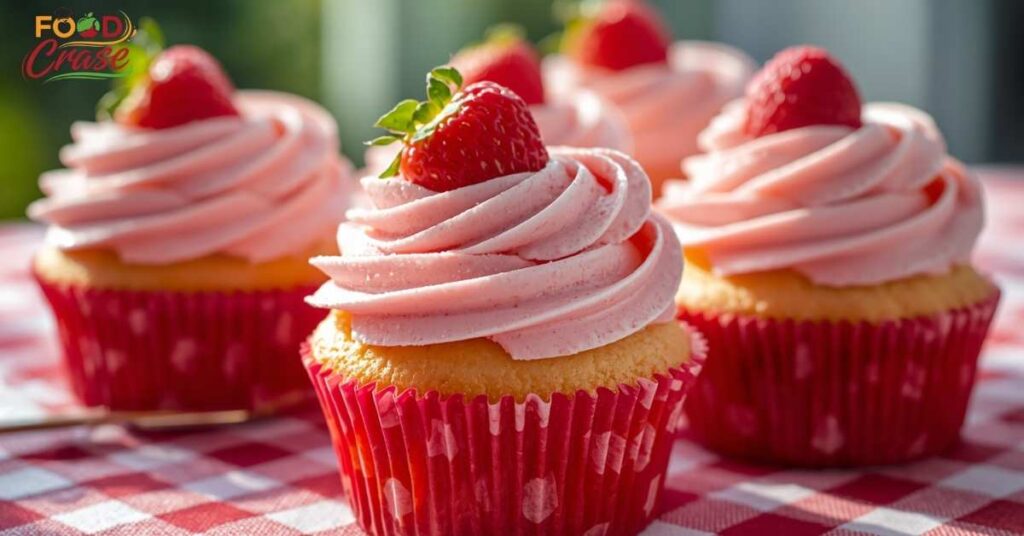
- Decorate. Fit a piping bag with a large star nozzle and pipe generous swirls of buttercream onto each cooled cupcake. Finish with your choice of sprinkles, fresh fruit, or edible decorations.
Tips for the Best Vanilla Cupcakes
Why are my cupcakes dense?
Dense cupcakes are usually the result of overmixing the batter, which develops too much gluten, or using cold butter and eggs straight from the fridge. Always bring your ingredients to room temperature before you start, and beat the batter for only the recommended two minutes.
How do I get a flat top for piping?
Overfilling the cases is the most common culprit for domed or uneven tops. Fill each case only halfway and make sure the oven temperature is accurate. Using an oven thermometer is a worthwhile investment, as domestic ovens can run hotter or cooler than the dial suggests.
Can I make them extra moist?
Yes. The tablespoon or two of whole milk in the sponge batter already helps create a softer, more tender crumb. You can also substitute one tablespoon of sour cream for the milk to add a subtle richness without changing the overall flavour profile.
How do I achieve smooth buttercream?
Always sift your icing sugar before adding it to the butter, and beat the butter on its own for at least three to four minutes until it is very pale and fluffy before adding anything else. Add the milk gradually rather than all at once. If small air bubbles appear in the buttercream, switch from the whisk to a spatula and stir vigorously for a minute to knock them out.
Serving Suggestions
These vanilla cupcakes are wonderfully versatile. Here are a few ideas to make them even more special:
- Serve alongside a pot of Earl Grey or English Breakfast tea for a classic afternoon tea spread.
- Top the buttercream with a single fresh raspberry or blueberry for an elegant finishing touch.
- Cut a small hole in the centre of each cupcake and fill it with strawberry jam or lemon curd before piping the buttercream on top for a hidden surprise.
- Use two different shades of buttercream in the same piping bag for Mary Berry’s signature swirled, two-toned icing effect.
- Arrange on a tiered cake stand and scatter with edible flowers for celebrations, christenings, or baby showers.
Storage
Room Temperature
Once iced, store the cupcakes in an airtight container at room temperature for up to 2 days. Keep them away from direct sunlight or heat sources that could soften the buttercream.
Refrigerator
Iced cupcakes can be refrigerated for up to 4 days in an airtight container. Allow them to come back to room temperature for about 30 minutes before serving, as the cold can firm up the sponge and mute the vanilla flavour.
Freezing
Un-iced cupcakes freeze extremely well. Once completely cooled, wrap each one individually in cling film and place in a freezer-safe bag or container. They will keep for up to 3 months. Thaw at room temperature for 1 to 2 hours before icing and serving. Avoid freezing decorated cupcakes, as the buttercream can weep or separate when thawed.
Nutrition
The following values are approximate and based on one iced cupcake from a batch of 12.
| Nutrient | Per Cupcake (approx.) |
| Calories | 450 kcal |
| Carbohydrates | 55 g |
| Sugars | 43 g |
| Fat | 25 g |
| Saturated Fat | 15 g |
| Protein | 3 g |
| Fibre | 0.4 g |
| Sodium | 220 mg |
Nutritional values will vary depending on the brands and exact quantities of ingredients used.
FAQ’s
Can I use plain flour instead of self-raising flour?
Yes. Replace self-raising flour with plain flour and add 1.5 tsp of baking powder per 175 g. Sift them together thoroughly before mixing.
Can I make the batter ahead of time?
It is best to bake the batter immediately after mixing, as the raising agents begin working as soon as they come into contact with liquid. You can, however, bake the cupcakes ahead and ice them on the day of serving.
What is the best vanilla extract for this recipe?
Use a pure vanilla extract or vanilla bean paste for the most authentic, rounded flavour. Avoid vanilla essence, which is synthetic and can taste slightly artificial in a recipe where vanilla is the star.
Can I double the recipe?
Absolutely. Simply double all the ingredient quantities to make 24 cupcakes. The baking time and temperature remain the same; just bake in two separate tins one shelf apart.
Why did my cupcakes sink in the middle?
Sinking usually happens when the oven door is opened too early, the batter was underbaked, or too much raising agent was added. Check doneness with a skewer only after the 15-minute mark and resist any urge to peek before then.
Can I use margarine instead of butter?
Yes. A good quality baking margarine or baking spread works well in the sponge and often creates an even lighter texture due to its higher water content. For the buttercream, however, real butter gives a much better flavour and a firmer, more stable consistency.
How do I know when the cupcakes are done?
The cupcakes are ready when they are golden on top, spring back lightly when pressed with a fingertip, and a clean skewer inserted into the centre comes out with no wet batter attached.
Conclusion
Baking Mary Berry vanilla cupcakes at home is one of those rewarding experiences that never gets old. The recipe is reliable, the results are consistently delicious, and the combination of a soft vanilla sponge with creamy buttercream is timeless. Whether you keep them simple with a swirl of plain frosting or dress them up for a celebration, these little cakes are guaranteed to impress. Happy baking!