Have you ever tried cooking a dish from memory and ended up with something completely different from what you expected? That is exactly why recipes exist. Whether you are making a simple breakfast or preparing a full dinner for guests, a recipe guides every step of the process. It removes the guesswork, reduces errors, and helps you create something truly delicious.
In this article, you will discover why recipes are important, how they support both new and experienced cooks, and why following a good recipe can completely change the way you cook at home.
What Is a Recipe?
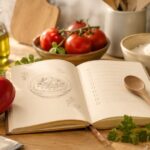
A recipe is a written set of instructions that tells you what ingredients to use, how much of each to include, and the exact steps to follow to prepare a dish. It acts as a roadmap from raw ingredients to a finished meal.
Recipes can be simple or complex. Some include just a handful of ingredients and three steps. Others involve multiple cooking techniques, precise measurements, and detailed instructions. Either way, the purpose remains the same: to guide you from start to finish with clarity and confidence.
Why Recipes Matter in Everyday Cooking
Cooking without any guidance often leads to wasted ingredients, poor results, and frustration. Recipes solve this problem by giving structure to what could otherwise feel overwhelming.
Here is why recipes matter in daily life:
- They eliminate guesswork from the cooking process
- They help you shop smarter with a clear ingredient list
- They ensure your dish comes out correctly every time
- They make cooking a more enjoyable and stress-free experience
Whether you cook for yourself or a large family, a solid recipe makes the entire experience more manageable and rewarding.
Recipes Help Beginners Cook With Confidence
For someone just starting to learn cooking, a kitchen can feel like an unfamiliar territory. The combination of heat, timing, and ingredient ratios can be confusing without proper direction. A recipe provides exactly the kind of clear guidance beginners need.
How Recipes Support Beginners
- They break the cooking process into simple, step-by-step instructions
- They define cooking terms like “simmer,” “fold,” or “blanch” within the context of the dish
- They specify exact quantities so beginners do not over or under-season
- They include cook time and temperature, removing major points of uncertainty
- They build kitchen confidence over time, dish by dish
A beginner who successfully follows a recipe once is far more likely to try again. That first successful meal is often the spark that turns cooking into a lifelong skill.
Recipes Create Consistent Results
One of the biggest advantages of following a recipe is getting the same great results each time. Whether you are baking a cake or preparing a curry, consistent measurements and steps lead to consistent taste and texture.
This is especially important in professional kitchens and food businesses where customer expectations must be met every single day. But it matters at home too. When you perfect a dish using a recipe, you can recreate it for birthdays, holidays, or dinner parties with full confidence.
Without a recipe, even skilled cooks can produce different results each time because they rely on memory and estimation rather than precise technique.
Recipes Save Time and Reduce Stress
Many people skip cooking because it feels like too much effort. But a well-organized recipe actually makes cooking faster and more efficient.
Time-Saving Benefits
- You know exactly what ingredients and equipment you need before you start
- There is no stopping mid-cook to search for the next step
- Prep time and cook time are listed clearly, helping you plan your schedule
- You avoid costly mistakes that would require starting over
A recipe lets you set up your workspace, gather your tools, and move through the process smoothly. This kind of organized approach turns what feels like a chore into a calm, enjoyable activity.
Recipes Help Control Portions and Nutrition
Most recipes list serving sizes along with nutritional information like calories, protein, and carbohydrate content. This makes it much easier to eat balanced meals and manage portion sizes.
For anyone tracking their food intake for health goals, weight management, or medical reasons, recipes are a practical tool. They tell you exactly what goes into your food, unlike restaurant meals where ingredients and portion sizes are unknown.
This transparency allows you to make informed choices about what you eat every single day.
Recipes Teach Cooking Techniques
Every recipe introduces you to at least one cooking method. Whether it teaches you how to roast vegetables, reduce a sauce, or properly knead dough, you gain a practical skill with every dish you prepare.
Skills Learned Through Recipes
- Knife skills and ingredient preparation
- Temperature control and timing
- Flavor balancing with spices and seasonings
- Baking principles like leavening and gluten development
- Cooking methods such as sauteing, braising, poaching, and grilling
Over time, these individual lessons stack up. Before long, you understand not just how to follow a recipe but why each step matters. That deeper understanding is what separates a good home cook from a great one.
Recipes Preserve Culture and Tradition
Food is one of the most powerful carriers of cultural identity. Traditional recipes passed down through generations hold more than just cooking instructions. They carry stories, memories, and connections to heritage.
A grandmother’s biryani recipe or a family lasagna that has been made every Christmas for decades represents something deeply personal. When those recipes are written down and shared, they are preserved for future generations.
Recipes allow communities to honor their culinary traditions while also sharing them with the world.
Recipes Encourage Creativity
There is a common misconception that following a recipe means giving up creativity. The truth is the opposite. Once you understand how a recipe is structured and why each ingredient is there, you are in a much better position to experiment and personalize.
You might swap one herb for another, adjust the spice level, or try a different cooking method. These creative decisions come from understanding the foundation the recipe provides.
Experienced cooks often describe recipes as a canvas. The ingredients and steps are the starting point, but what you build on top of that is entirely your own.
Recipes Improve Kitchen Organization
Following a recipe encourages good habits like reading through the full instructions before starting, preparing all your ingredients in advance, and keeping your workspace tidy. This concept, known in French cooking as mise en place, translates to “everything in its place.”
A recipe creates a logical sequence that naturally promotes organization. You are less likely to forget an ingredient, burn a component, or overcook your dish when you are working from a structured plan.
Recipes Reduce Food Waste
Without a clear plan, it is easy to buy too much produce or use ingredients incorrectly, leading to waste. A recipe tells you exactly how much you need and how to use it, which helps eliminate unnecessary spending and spoilage.
Planned cooking based on recipes also allows you to use up what you already have before it goes bad. Many home cooks use weekly recipe planning to work through pantry staples efficiently and minimize food waste.
Recipes Support Family Cooking
Cooking together as a family becomes much easier when everyone is working from the same recipe. A recipe gives each person a clear role and prevents confusion about what comes next.
Children who grow up cooking alongside a recipe develop practical skills, build confidence, and form meaningful memories in the kitchen. It becomes more than just making food. It becomes a shared experience.
Recipes Make Cooking Accessible for Everyone
Not everyone grows up in a household where cooking skills are passed down naturally. For millions of people, recipes are the only way to access culinary knowledge that others take for granted.
Recipes on blogs, in cookbooks, and through video platforms have democratized cooking. Anyone with access to ingredients and a reliable recipe can prepare a delicious, nutritious meal. This accessibility is one of the most powerful gifts the modern recipe format provides.
Recipes Build Trust in Online Cooking Content
For content creators and food bloggers, publishing well-tested, clearly written recipes builds credibility and audience loyalty. Readers who follow a recipe and achieve great results return again and again.
This trust is built through accuracy, clear instructions, honest ingredient lists, and tested cooking times. In the era of generative search and AI-powered tools, recipe content that genuinely helps people is the kind that gets recommended, shared, and ranked.
Why Structure Matters in a Recipe
A recipe is only as useful as its structure. Poorly written recipes with vague instructions or missing details frustrate cooks and lead to failures in the kitchen.
Key Recipe Elements
- Recipe title: Clear and descriptive
- Yield and serving size: So cooks know how much it makes
- Prep time and cook time: Helps with meal planning
- Ingredient list: Organized with exact measurements and preparation notes
- Step-by-step instructions: Written in a logical, clear sequence
- Equipment needed: Any special tools mentioned upfront
- Nutritional information: Optional but highly valuable for health-conscious cooks
- Tips and variations: Helps cooks customize the dish
A recipe that includes all of these elements respects the cook’s time, supports their success, and earns long-term trust.
Recipes Improve Meal Planning
Planning your meals for the week becomes far more effective when you base it on specific recipes. You can build a shopping list, calculate costs, balance nutrition across multiple days, and avoid last-minute decisions that often lead to takeout.
Meal planning with recipes also helps reduce decision fatigue. When you already know what you are cooking each evening, the process feels manageable instead of stressful.
Recipes Support Special Diets
For individuals following specific dietary plans like gluten-free, vegan, diabetic-friendly, or low-sodium diets, recipes are essential. They allow people to make informed choices about every ingredient and adaptation needed.
Without recipes, managing special dietary needs through home cooking would be extremely difficult. A well-labeled recipe with clear ingredient notes and substitution suggestions makes inclusive cooking possible for everyone.
Recipes Encourage Home Cooking Over Takeout
Ordering food regularly is convenient but expensive, and often less healthy than cooking at home. When someone has a reliable recipe they enjoy following, they are far more likely to choose cooking over calling for delivery.
Recipes give people a reason to cook. When you know exactly what you are making and how to make it, the kitchen becomes an appealing place rather than an intimidating one.
Recipes Help Cooks Track Improvements
When you follow the same recipe multiple times, you can identify what worked, what did not, and what you want to change. This feedback loop accelerates skill development in a way that random cooking never can.
Keeping notes in the margins of a recipe, adjusting seasoning amounts, or trying a new technique within the same dish are all ways experienced cooks refine their craft. The recipe becomes a record of your growth as a cook.
Final Thoughts
A recipe is much more than a list of ingredients and steps. It is a tool for learning, a keeper of culture, a guide for healthy eating, and a foundation for creativity. Whether you are making your first scrambled eggs or perfecting a complex pastry, the right recipe gives you everything you need to succeed.
For beginners, recipes build confidence. For seasoned cooks, they provide a reliable starting point for innovation. And for everyone in between, they make the act of cooking more intentional, organized, and enjoyable.
Start with a recipe you are excited about. Follow it carefully the first time. Then make it your own.
Frequently Asked Questions
Why is it important to read a recipe before cooking?
Reading a recipe before you start helps you gather all ingredients, understand the steps, and avoid surprises that could ruin the dish.
What are the main parts of a recipe?
A recipe typically includes a title, ingredient list with measurements, step-by-step instructions, serving size, and prep and cook times.
Can beginners really learn to cook by following recipes?
Yes. Recipes are one of the best learning tools for beginners because they break down each technique and step in a clear and organized way.
How do recipes help with nutrition?
Recipes often include calorie counts and macronutrient details, making it easier to plan balanced meals and meet specific dietary goals.
Do professional chefs use recipes?
Yes. Professional chefs rely on recipes to maintain consistency, train kitchen staff, and ensure every dish meets quality standards every time.
Are recipes important for cultural preservation?
Absolutely. Traditional recipes carry cultural heritage, family memories, and generational cooking knowledge that might otherwise be lost.