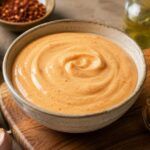
If you have ever tasted a spoonful of silky, golden lemon curd fresh from the pot, you will understand why this recipe is a British kitchen classic. Mary Berry’s lemon curd is everything homemade preserves should be: bright, tangy, buttery, and completely free of artificial additives. Whether you are spreading it on warm scones, filling a Victoria sponge, or swirling it through yoghurt, this recipe delivers that unmistakable fresh citrus flavour every single time.
Unlike shop-bought versions, this homemade lemon curd uses just four simple ingredients and comes together in about 15 minutes. Once you try it, you will never go back to the jar from the supermarket shelf.
Ingredients
For the Lemon Curd
- 4 large unwaxed lemons (zest and juice)
- 4 large free-range eggs
- 350g caster sugar
- 225g unsalted butter, cut into small cubes
Equipment you will need:
- Heatproof bowl
- Medium saucepan
- Fine grater or microplane
- Balloon whisk
- Fine mesh sieve
- Sterilised glass jars
How to Make Mary Berry Lemon Curd
Follow these simple steps for a smooth, glossy lemon curd that sets perfectly every time.
- Prepare your lemons. Wash and dry the lemons thoroughly. Finely zest each one using a microplane, taking only the bright yellow outer layer and avoiding the bitter white pith beneath. Then roll the lemons firmly on your work surface before cutting and juicing them. Strain the juice through a sieve to remove pips.
- Set up your double boiler. Place a heatproof bowl over a saucepan of gently simmering water. Make sure the bottom of the bowl does not touch the water, this is the key to preventing scrambled eggs.
- Combine the base ingredients. Add the lemon zest, lemon juice, caster sugar, and cubed butter into the heatproof bowl. Stir continuously over a low to medium heat until the butter has fully melted and the sugar has dissolved completely.
- Add the eggs. In a separate bowl, lightly beat the eggs. Slowly pour them into the warm lemon mixture, stirring constantly as you go. This gradual addition prevents the eggs from curdling.
- Cook until thickened. Continue to stir gently for 8 to 10 minutes until the curd thickens enough to coat the back of a spoon. You will notice it turning a deeper, richer yellow as it cooks.
- Strain and jar. Remove the bowl from the heat and pour the curd through a fine mesh sieve into sterilised jars. This step gives you that perfectly smooth, velvety texture. Seal immediately and leave to cool.
Tips for Perfect Lemon Curd
Getting lemon curd right is all about patience and gentle heat. Here are the most important tips to keep in mind.
How do I stop lemon curd from curdling?
Always use a double boiler and keep the heat low throughout cooking. Adding the beaten eggs gradually while stirring constantly prevents them from setting too quickly. If the curd does look slightly grainy, strain it immediately through a fine sieve, this often rescues it.
Can I make lemon curd thicker?
If your curd seems too runny, simply keep cooking it for a few more minutes, stirring constantly. It will also firm up noticeably as it cools, so do not judge the final texture while it is still warm in the pan.
Should I use unwaxed lemons?
Yes, always choose unwaxed lemons when the zest is part of the recipe. Waxed lemons have a coating on the skin that can affect the flavour of your curd and is not intended for consumption. Unwaxed lemons give you a cleaner, more aromatic zest.
Can I leave the zest in?
You can, but straining the curd through a fine sieve after cooking gives a much smoother, more luxurious result. If you prefer a more rustic texture with small flecks of zest running through it, skip the straining step.
Serving Suggestions
Mary Berry’s lemon curd is one of the most versatile spreads you can keep in your kitchen. Here are some of the best ways to enjoy it:
- Spread on scones alongside clotted cream for a classic afternoon tea treat
- Fill a Victoria sponge in place of or alongside fresh cream
- Spoon into lemon tarts baked in shortcrust pastry cases
- Drizzle over pancakes or waffles for a zesty weekend breakfast
- Swirl through vanilla yoghurt or whipped cream for a quick dessert
- Sandwich shortbread biscuits together with a generous dollop
- Layer into a pavlova with fresh berries and whipped cream
- Serve alongside granola for a bright, citrusy start to the morning
The combination of lemon curd with fresh berries, plain sponge cake, or buttery shortbread biscuits is particularly popular because each element balances the tartness of the curd beautifully.
Storage
Proper storage keeps your lemon curd fresh, safe, and at its best for as long as possible. Always use sterilised glass jars, wash them in hot soapy water and dry in an oven at 140°C for 15 minutes before filling.
Room Temperature
Freshly filled, sealed jars can sit at room temperature for a short time while they cool. Once cool, move them to the fridge immediately. Do not leave lemon curd at room temperature for extended periods as it contains eggs and butter.
Refrigerator
Store sealed jars in the refrigerator for up to 3 to 4 weeks. Once opened, always use a clean spoon to prevent contamination and consume within 1 to 2 weeks. Keep the jar tightly sealed between uses.
Freezing
Lemon curd freezes well for up to 3 months. Pour it into airtight, freezer-safe containers and leave a little room at the top for expansion. To use, thaw overnight in the refrigerator and stir well before serving. The texture may be very slightly softer after freezing but the flavour remains excellent.
Nutrition Information
Approximate values per 2-tablespoon (30g) serving:
| Nutrient | Amount |
| Calories | 110 kcal |
| Total Fat | 6g |
| Saturated Fat | 3.5g |
| Carbohydrates | 14g |
| Sugar | 13g |
| Protein | 1.5g |
| Vitamin C | 5% DV |
Lemon curd is a treat best enjoyed in moderation. It contains no artificial preservatives, and the fresh lemon juice provides natural vitamin C and antioxidants.
FAQ’s
Can I make lemon curd without a double boiler?
Yes. Place a heatproof bowl over a saucepan of simmering water as a simple substitute. The key is keeping the bowl from touching the water directly.
Why does my lemon curd taste bitter?
Bitterness usually comes from the white pith of the lemon. When zesting, take only the bright yellow layer and stop before you reach the pith.
Can I use bottled lemon juice instead of fresh?
Fresh lemon juice always gives the best flavour and brightest colour. Bottled juice can work in a pinch but the result will be noticeably less vibrant.
How do I know when lemon curd is ready?
It is ready when it coats the back of a wooden spoon and a line drawn through it holds its shape. It will thicken further as it cools.
Is this recipe suitable for vegetarians?
Yes, Mary Berry’s lemon curd is vegetarian-friendly as it contains no meat or gelatine.
Can I make a dairy-free version?
Replace the unsalted butter with a good-quality dairy-free alternative such as coconut oil or vegan block butter. The texture will be slightly different but still delicious.
How long does lemon curd take to set?
Allow the curd at least 1 to 2 hours in the fridge to firm up fully after making. Overnight chilling gives the best set.
Final Thoughts
Mary Berry’s lemon curd recipe is one of those timeless classics that earns a permanent spot in your recipe collection. It uses just four everyday ingredients, takes less than 20 minutes to make, and produces a result that is far superior to anything you can buy. The key is patience, a gentle heat, constant stirring, and good quality unwaxed lemons make all the difference between a silky, glossy curd and a grainy disappointment.
Whether you are making it to fill cakes for a celebration, gifting it in a pretty jar, or simply keeping a supply in the fridge for toast and scones, this recipe never lets you down. Once you have made your own lemon curd from scratch, the shop-bought version simply will not compare.